
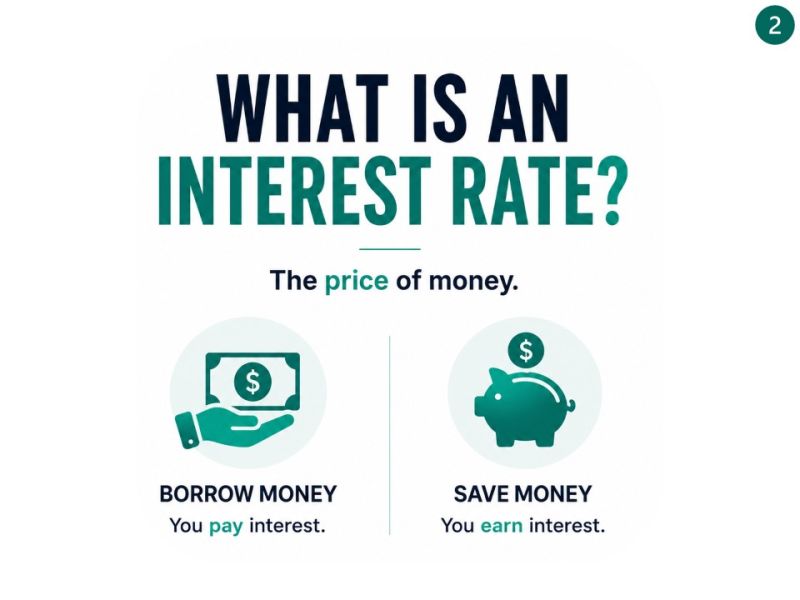
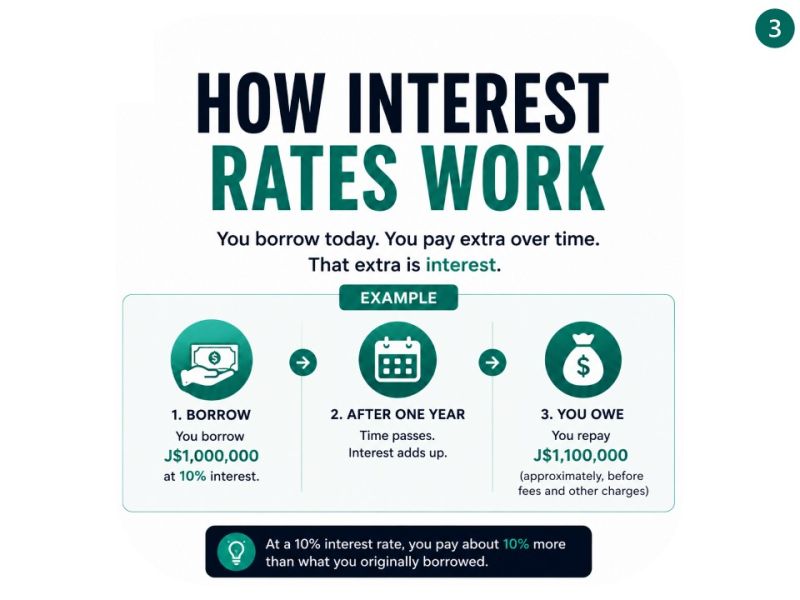
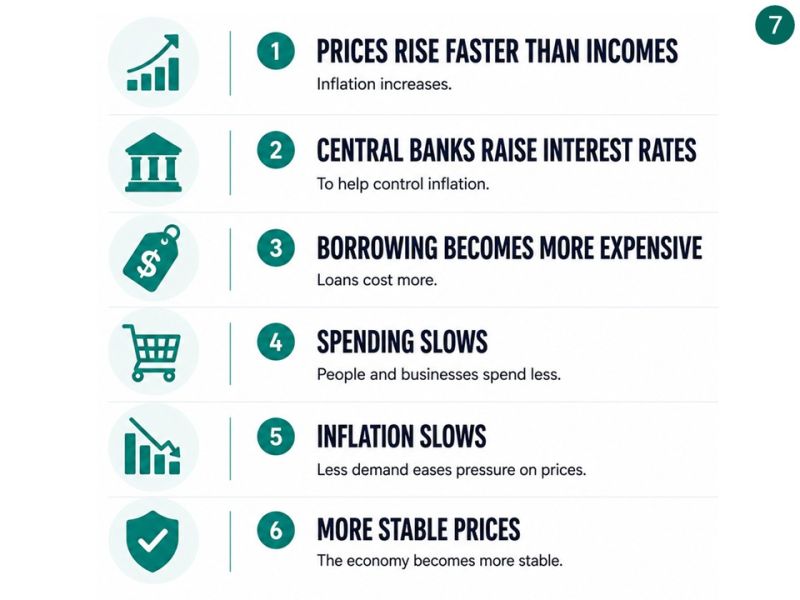
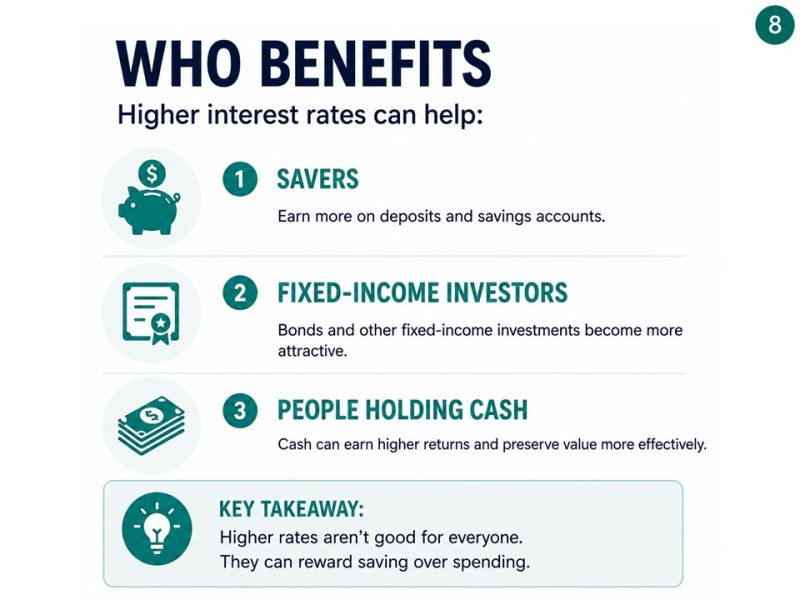
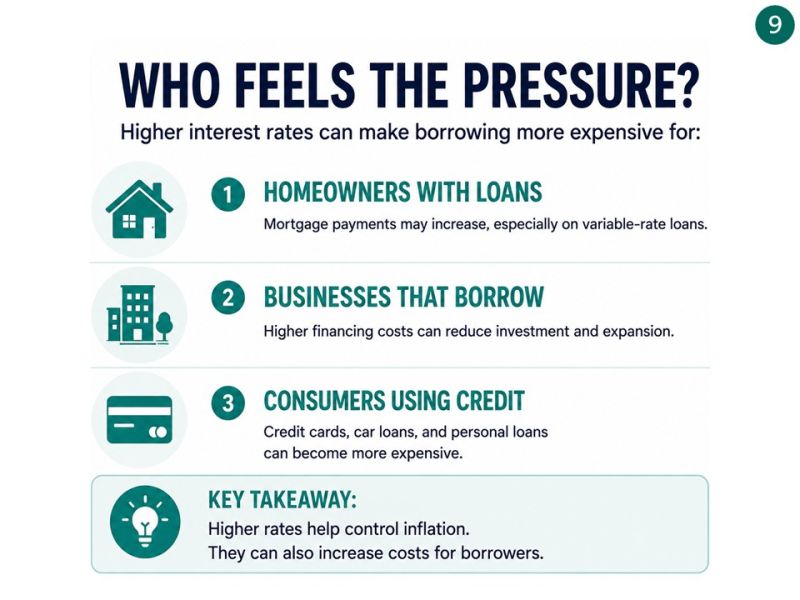
Interest rates may seem like something only economists and bankers care about. In reality, they affect borrowing costs, savings returns, business investment decisions, and consumer spending.
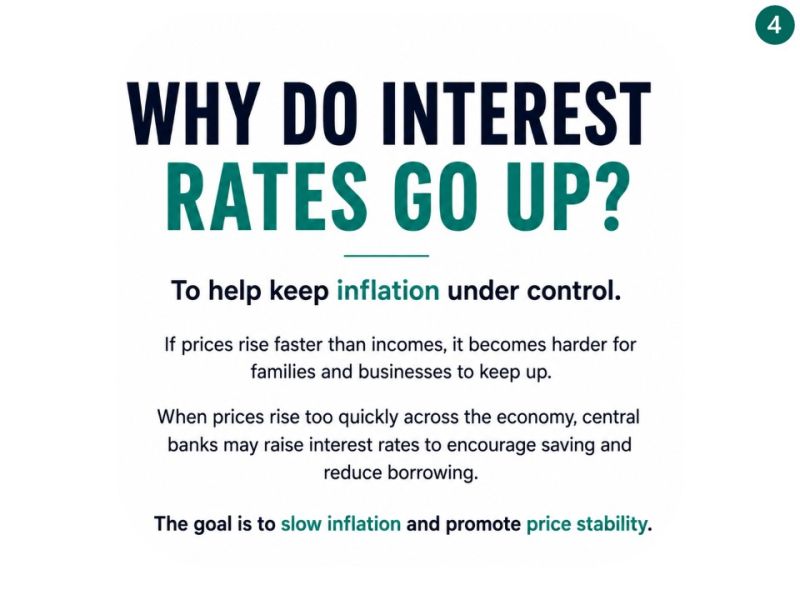
Around the world, central banks are taking different approaches. Japan recently raised its policy rate to 1.0%, the highest level since 1995, as policymakers seek to contain inflation and manage rising price pressures.1 Jamaica has held interest rates steady while the Bank of Jamaica assesses inflation risks, geopolitical developments, and broader global economic uncertainty.2 Canada’s annual inflation rate rose to 3.2% in May, its highest level in nearly 2½ years. The increase has renewed debate about how long interest rates may need to remain elevated.3
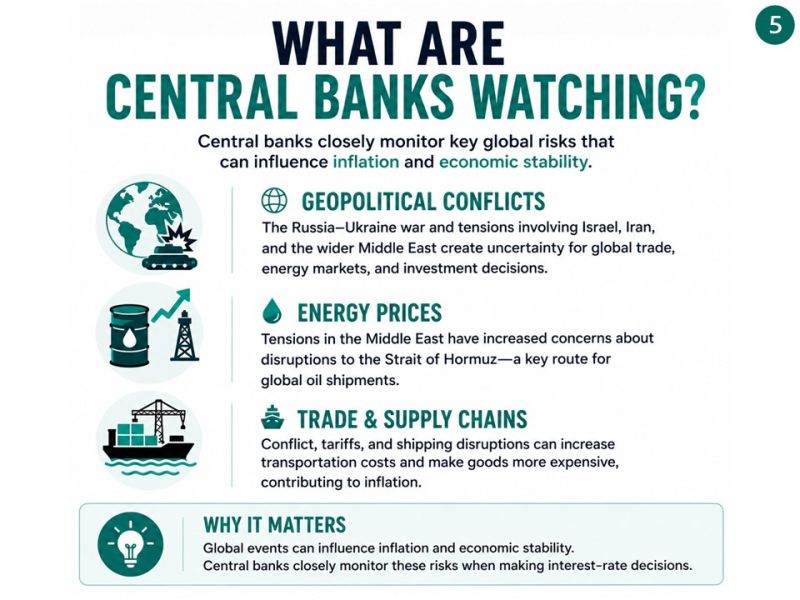
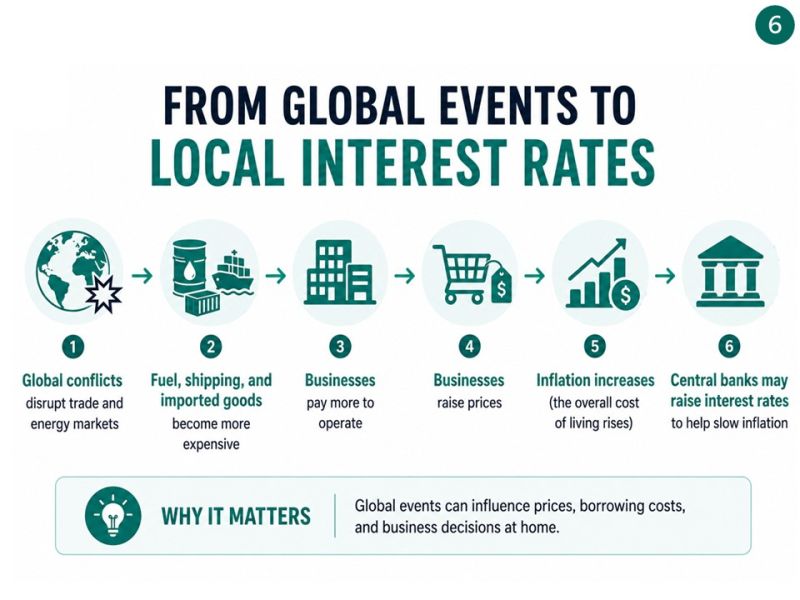
Policymakers are also closely monitoring geopolitical tensions, energy prices, trade disruptions, and supply-chain pressures. For example, tensions involving Iran, Israel, and the United States have increased concerns about disruptions to the Strait of Hormuz, a critical route for global oil shipments. Any disruption could increase transportation and production costs, placing upward pressure on inflation.
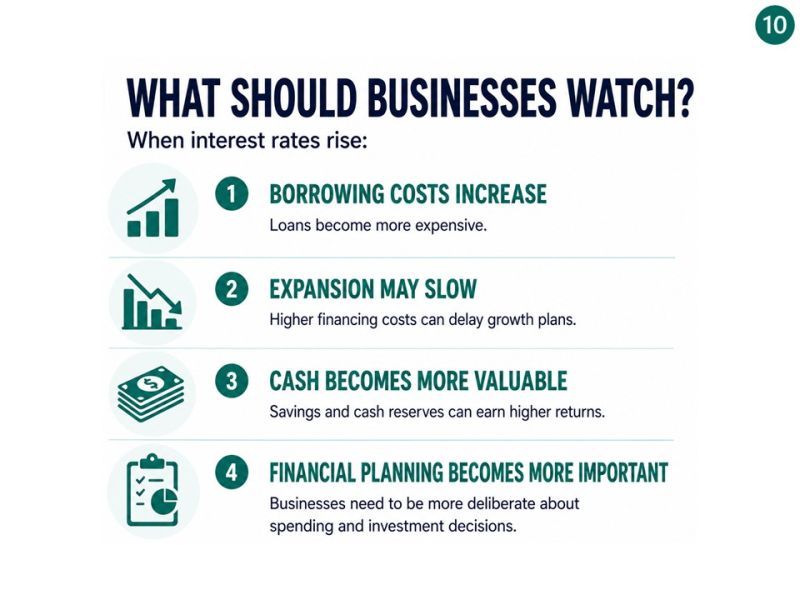
Interest rates remain one of the most important economic indicators to watch. Whether you’re managing a household budget, making investment decisions, or planning for business growth, understanding how interest rates work can help you make more informed decisions.
Swipe through our quick guide to learn the basics in 60 seconds.
Don’t just react to economic change. Prepare for it.
- Reuters. 2026. “BOJ May Raise Interest Rates Twice by March, Says Former Policymaker.” June 19, 2026. ↩︎
- Bank of Jamaica. 2026. Monetary Policy Committee Statements and Interest Rate Decisions. ↩︎
- Reuters. 2026. “Canada’s Annual Inflation Rate Surges to 29-Month High of 3.2% in May.” June 22, 2026. ↩︎
First published on LinkedIn on 22 June 2026.


